Table Of Content

Once you have diluted the oil, apply it evenly to your hair and scalp, massaging it in thoroughly. You can dilute a fresh batch of the oil and add it to a comb bottle that squeezes out the mixture for easy application. Alternatively, you can use your fingertips to apply the mixture to the scalp. You can also cover your hair with a bonnet or shower cap to prevent staining your pillowcase while you sleep. One of the benefits of Rosemary Oil is its potential to promote hair growth.
If You're Struggling With Dull, Lackluster Skin, This Is the Routine You Need
“When used in excess, rosemary oil can make thinner hair look greasy and feel weighted,” Dr. Camp notes. That being said, hair loss is multifaceted and could be caused by age, hormones, genetics, stress levels, your environment, or certain medications. Which means it’s vital to see your doctor if you’re shedding more hair than average (average tends to be 50 to 100 hairs per day, FYI), as hair growth often requires a varied and robust approach. Carnosic acid, an active ingredient in the plant, healed tissue and nerve damage in one study.
Benefits of jojoba oil for hair
Another great way to use rosemary is to use a thick carrier, like coconut MCT or castor oil, and leave them on for half an hour or so before shampooing out. If you feel brave, you could leave it on overnight for bed, but if you think about the energetics of rosemary, that’s not a great plan. It works well in the mornings but is not great if you want to sleep. According to Robert Tisserand, the industry expert of essential oils for decades, there are several reasons of why diluting essential oils is THE crucial step. If you leave the oil mixture overnight, cover your scalp with a shower cap to prevent staining your pillowcase.
Microneedling for Hair Loss: The ULTIMATE (5X More) Hair Regrowth Guide
Keep reading to find out, plus shop some of the best rosemary oil hair products—including top hair growth shampoos and scalp treatments approved by experts. To store the diluted Rosemary Oil, use a dark glass bottle to protect the mixture from light exposure, as light can degrade the quality of essential oils. Ensure the bottle is sealed well to prevent air from entering and potentially oxidizing the oil.

Shop More Beauty Tips From Vogue Shopping
Mix it with carrier oil in the correct ratio to dilute rosemary oil for hair growth. Yes, it's totally okay to leave rosemary oil on your hair and scalp overnight. However, if you're prone to buildup or your scalp is naturally oily, you'll probably prefer to wash it out in the morning and may need a clarifying shampoo to get your hair feeling clean.
Beauty
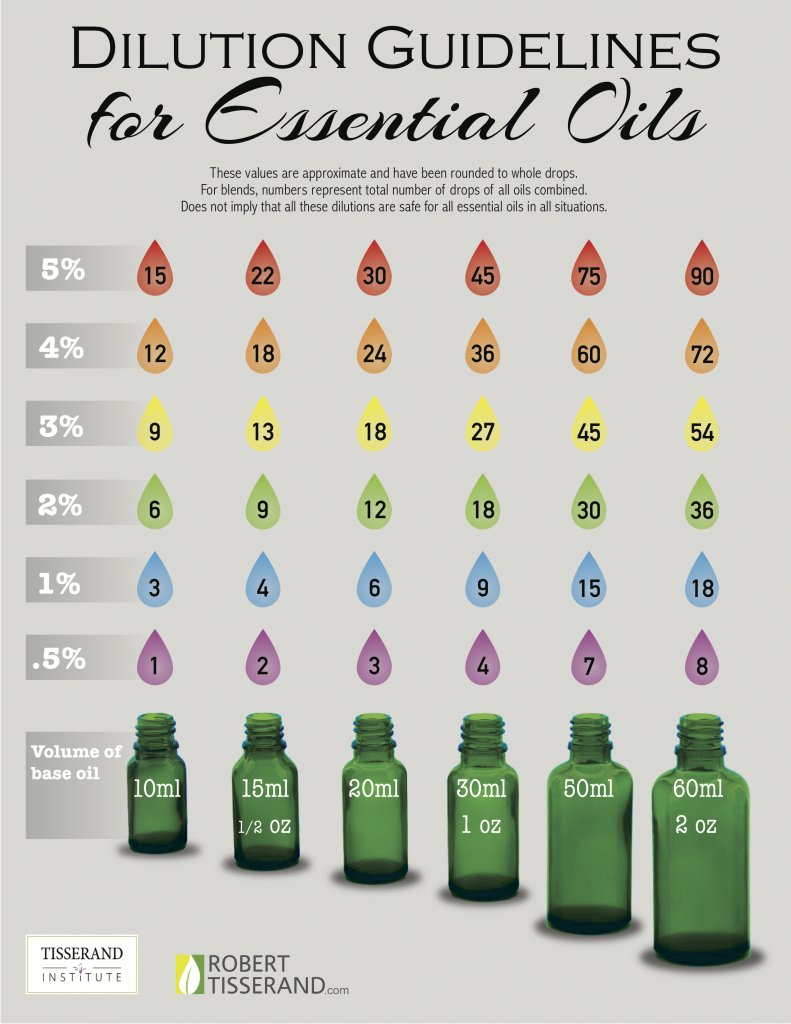
A few great options include jojoba, argan, or coconut oil (more here if you want to explore your options). Then in a dropper bottle, add anywhere from three to 15 drops of rosemary oil, depending on the size of your carrier container—the larger the size, the more rosemary oil you can use. Alternatively, instead of playing scientist and adding rosemary essential oil to other products, you can use ones that already include the ingredient. To maximize rosemary oil's effects on hair, Reavey suggests coupling the ingredient with other powerhouses. “I also recommend products that contain peptides, stem cells, and ginseng to support hair health from the root and optimize the hair follicle’s function.
The Top 8 Best Rosemary Oils For Hair Growth - SheFinds
The Top 8 Best Rosemary Oils For Hair Growth.
Posted: Tue, 26 Mar 2024 07:00:00 GMT [source]
Just massage your scalp with rosemary oil 10 to 15 minutes before hopping in the shower, then wash it out with your usual shampoo and conditioner routine. Rosemary oil is also thought to potentially boost blood flow to hair follicles, thus encouraging healthier hair growth, and can also minimize cell-damaging free radicals with its strong antioxidant properties. Plus, it's anti-inflammatory, which is great for anyone who's experiencing inflammation-based hair loss or thinning from stress and/or hormone fluctuations. Two separate clinical reviews — one from 2010 and one from 2011 — also acknowledge rosemary’s hair growth potential.
How to Dilute Essential Oils for Hair Growth: A Complete Guide
When applying rosemary oil to your hair, hair masks are generally the preferred method as essential oils can take around nineteen minutes to effectively absorb themselves into the blood stream. Incidentally, you can find out more about this and other studies on a page we wrote about the best essential oils for hair growth, where we also talk about helpful carrier oils. Carrier oils, such as coconut oil, olive oil, or jojoba oil, are essential for dilution. They help to protect the scalp from potential irritation caused by the concentrated rosemary oil. The recommended mix of rosemary oil for hair is one part rosemary oil to ten parts carrier oil. You can choose a carrier oil or a combination of carrier oils based on your hair type and preference.
How long after using rosemary oil should someone expect to see results in hair growth?
Once the oils are blended, apply to the scalp and massage in small circles for 5 minutes. You may also leave the oil on your scalp for an additional 30 minutes before washing it out with your regular shampoo. That’s because factors like genetics, your nutrition, stress and anxiety, and changes in your hormones, metabolism, or medications can all contribute to thinning hair. And the cause of your hair loss can help you determine the right ingredients for you—and, with that, the best hair growth serum.
When mixed with a carrier oil, the blend can be applied topically to possibly promote hair growth and soothe skin irritation. If you’re looking for a way to promote hair growth, then adding rosemary oil to your hair care routine may be a good option. Rosemary oil is thought to help stimulate hair growth and may also help to improve the overall health of your hair. Basically, rosemary oil has been found to be equally as effective as topical minoxidil, which treats androgenic alopecia, but it’s safe for all hair loss patients.
Mix a few drops of rosemary oil with your favorite hair mask or deep conditioner and apply it to your hair. Leave the mask on for 30 minutes to an hour before rinsing it out with water. This can help condition and moisturize your hair, leaving it soft and shiny. Once an individual finds a base shampoo they prefer, they can then add essential oils, like rosemary oil, to the base depending on the benefits they desire. Children and infants may be more sensitive to the concentration of essential oils.
“Rosemary oil is a stimulating ingredient that works to promote hair growth while stimulating blood flow, ultimately strengthening the hair follicle,” says Helen Reavey. You can choose from a multitude of carrier oils, each with its specific properties, to dilute your rosemary oil. When you're ready to apply the rosemary oil to your scalp, start by sectioning your hair into multiple pieces using a hair clip. This technique will enable even distribution of the blend across the scalp. You can use either a comb applicator or your fingertips to apply a small amount of oil to each section of the scalp. Massage the oil in circular motions using the pads of your fingers to promote hair growth.



No comments:
Post a Comment