Table Of Content
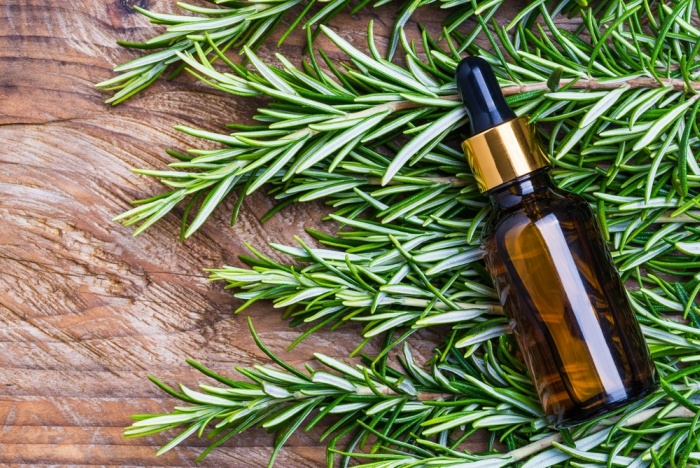
Add a few drops of rosemary oil to your regular shampoo and conditioner and use them as usual. To make a rosemary oil solution, people can try diluting a few drops of rosemary oil in a carrier oil, such as coconut oil. However, if an individual does choose to rinse it out, they should allow it to set into the scalp for a few minutes before doing so. When you are looking to use rosemary oil for its therapeutic properties, you will want to mix it with a carrier oil. This is necessary because pure rosemary oil is too strong to be applied directly to the skin. The most popular carrier oils are almond oil, jojoba oil, and coconut oil.
How to Dilute Essential Oils for Hair Growth: A Complete Guide
Choosing something with a higher concentration of rosemary oil may be an effective option for some people. It is important to take any skin allergies or sensitivities into account when choosing a product. Research from 2017 showed that rosemary can help in the management of bacterial infections.
Scalp Conditioner
Rinsing out the oil afterward is optional — though if you do rinse, let the oil sit on your scalp for at least 5 to 10 minutes beforehand. Rosemary hair oil is a popular natural remedy for promoting hair growth and improving overall hair health. It is known for its ability to stimulate the hair follicles, improve circulation to the scalp, and nourish the hair shafts. Rosemary oil is generally considered safe when used in small quantities. However, some people may experience mild side effects such as skin irritation or allergic reactions. Like essential oils, carrier oils are also mostly extracted from the seeds or nuts of plants.
How to use rosemary oil for hair growth
Can You Use Rosemary Oil for Hair Growth? - Yahoo Life
Can You Use Rosemary Oil for Hair Growth?.
Posted: Wed, 13 Mar 2024 07:00:00 GMT [source]
It will slightly differ based on the oil viscosity and the size of the dropper in your bottle. Here, we used a combination of reliable sources (Robert Tisserand and a variety of books) to come up with an average measure and to ensure the dilution safety. We believe in skincare that works fast & effective.Powerful Ingredients & Powerful Results. Addison Aloian (she/her) is the assistant love & life editor at Women’s Health. Outside of topics related to lifestyle, relationships, and dating, she also loves covering fitness and style.
Rosemary Oil Scalp Massage
12 Best Natural Oils for Hair Growth, According to Dermatologists 2024 - Glamour
12 Best Natural Oils for Hair Growth, According to Dermatologists 2024.
Posted: Fri, 29 Mar 2024 07:00:00 GMT [source]
Some of them can moisturise, condition and strengthen your hair, providing it with nutrients and antioxidants. The dilution ratio of rosemary oil will depend on the concentration of the oil and the carrier oil used. The general rule of thumb is to use a 2% dilution ratio, which means adding 12 drops of rosemary oil to every ounce of carrier oil. However, some people may require a stronger or weaker dilution ratio depending on their hair type and needs. Due to its potency, it is recommended to mix it with a carrier oil, such as grapeseed oil, to avoid skin irritation and adverse reactions. Diluting Rosemary Essential Oil before use also helps to enhance its therapeutic benefits.
So test the oil on the back of your neck first and wait two to three days to see if you have any negative reactions before massaging it all over your scalp. Rosemary hair oil should not be used by women who are pregnant or breastfeeding. Rosemary oil contains camphor, which can be dangerous for pregnant women. Finally, you need to wash your hair with a mild shampoo and conditioner to remove the oil. First, you need to wash your hair with a mild shampoo and conditioner. This will help to remove any dirt or product buildup from your hair.
Warning labels on some 100% rosemary products warn that use could affect the fetus or lead to a miscarriage. With consistent use, you can experience the benefits of rosemary oil for healthy hair growth. Diluting rosemary oil with a carrier oil is essential to ensure its safety and effectiveness. Beth Gillette is the beauty editor at Cosmopolitan with five years of experience researching, writing, and editing hair stories that range from shea butter for hair to shampoos for oily hair. She’s an authority in all hair categories, but is an expert when it comes to rosemary oil for hair. After interviewing experts and researching up-to-date info on rosemary oil for hair, she tested it for two months on her own short, fine hair.
How should rosemary oil be applied?
Due to its fragrance, parts of the rosemary plant are used as a spice in many culinary dishes around the globe. In this article, we will explain what Rosemary Oil is, its benefits, and the correct way to dilute the oil, and we will also answer some commonly asked questions about the oil for optimal results. Rachael grew up in the northern Thai city of Chiang Mai until she was seven when her parents moved to the US. The content in this article is for informational and educational purposes only and is not intended to take the place of medical advice. Please consult your personal physician for any advice or treatment regarding specific health questions.

Hannah has written across lifestyle sections including health, wellness, sustainability, personal development, and more. The best thing you can do if you would like to know why your hair is falling out is to book a consultation with a trichologist for the first signs of hair thinning and balding. They will perform a thorough examination of your scalp and provide you with the right diagnosis and treatment. Almond oil is rich in antioxidants which can provide your hair with some protection from UV radiation [5] (however, exposing your hair directly to sunlight is not good for your hair).
In fact, a study has shown that it yields comparable results to Minoxidil treatment, which is an FDA-approved hair loss treatment for androgenetic alopecia. In the morning, rinse your hair thoroughly with a mild shampoo and conditioner. Always remember to complete a patch test before using Rosemary Oil to ensure that you are not allergic to it. The most important step is to test your serum before using it for the first time. “Apply the serum to a small spot on the scalp for a few days to ensure that there is no irritation before applying it more broadly,” says Dr. Mirmirani. “A measured approach is best.” To that end, get comfortable with the fact that you’ll need to be both consistent and patient in your usage, as the results can take time.
Ahead, dermatologists and hair stylists explain the benefits of rosemary oil for hair, how to use it, potential side effects, and more. So, there you have it—three different ways to use rosemary oil that will actually stimulate hair growth, not irritate the scalp. If you want to take a deeper dive into the clinically researched benefits of this botanical extract, check out our full guide to rosemary oil for hair growth here. While typically reserved for elevating the flavor profile of a dish, rosemary can work wonders for hair suffering from damage or stagnant growth.
While these studies suggest that rosemary oil may be helpful when dealing with hair loss, more research is needed to fully understand its effects and mechanisms of action. Using too much of it may damage the hair follicles, causing hair loss instead of hair growth. Rosemary oil is a natural remedy, but that does not mean it is safe in all concentrations or for all people.
If you’re wondering how to dilute rosemary oil for hair, look no further. In this article, we will guide you through the steps to achieve the perfect dilution ratio, ensuring safe and effective results. Mix 2 tablespoons of fresh aloe vera gel with 10–12 drops of rosemary EO and apply the mixture to your hair and scalp. Leave it on for 20 to 30 minutes, then rinse it off with warm water and shampoo as usual. This mask can help to soothe an irritated scalp, moisturize your hair, and promote hair growth.
Explore the benefits of using essential oils to alleviate eczema symptoms and improve your skin's health while ensuring safe and effective application. If applied onto the skin or hair without first being diluted, it can cause irritation that could end up being severe if left untreated. Herbalists have used rosemary tea to make hair glossier for at least two thousand years.
Then, rinse the oil off with shampoo and finish with conditioner to ensure that your hair is clean and moisturized. To dilute essential oils, you first have to choose a base to blend the oils with. Meanwhile, “the goal of a serum is to target the hair follicle directly by delivering compounds that may allow for improved or optimal hair growth,” says Dr. Mirmirani. These ingredients are those that aren’t typically found in the diet, such as minoxidil and plant-based compounds. “Cedarwood oil is an essential oil produced from the foliage and sometimes the wood, roots and stumps that are left after logging of the trees,” Friese explains. Points out that the unique oil is often laced into perfumes because of its olfactory benefits.
Of course, that also means it may be overstimulating for those with sensitive skin or scalp and should be used accordingly. That’s why we've created this carefully curated guide to using cedarwood oil. Here, we share intel from experts around why it may be a truly transformative ingredient when it comes to stellar scalp health and healthy hair growth. For what seems like forever, coconut oil has been touted as the ultimate hair-and-scalp treatment. On TikTok alone, the term "coconut oil for hair" has over 33 million views and counting. Recently, however, both hair stylists and trichologists have been sharing that cedarwood oil may have more scalp-specific benefits, and therefore could be extremely beneficial to hair health and growth.



No comments:
Post a Comment